
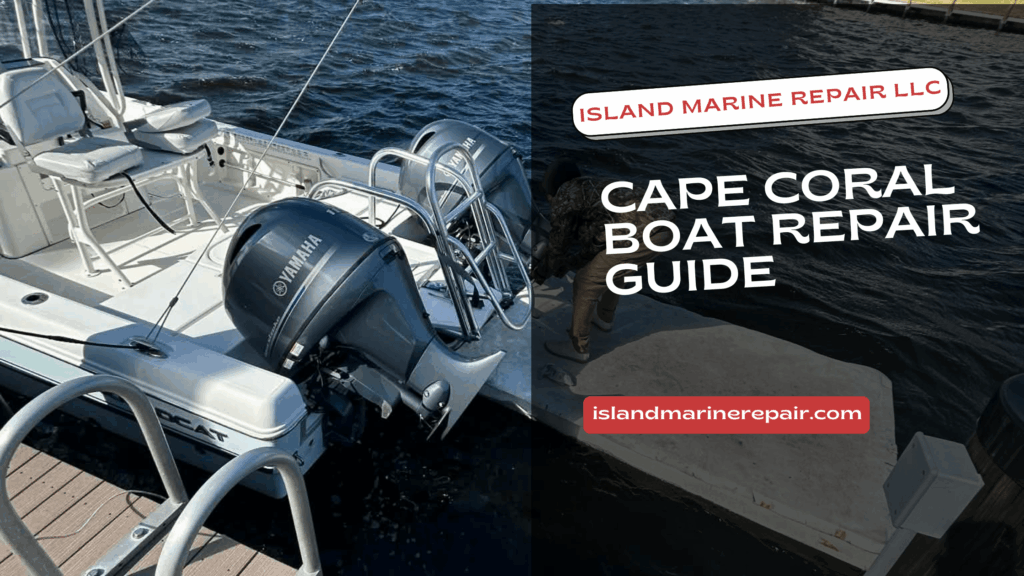
Cape Coral is not just a city with canals. It is a city built around canals. With over 400 miles of navigable waterways, more than any other city in the world, your boat is not a weekend toy here. It is how you get to dinner, how you spend Saturday mornings, and for many residents, it is parked right behind the house on a lift that sees daily use.
That kind of access to the water is exactly what draws people to the Cape. But it also means your boat operates in one of the most punishing marine environments in the country, 365 days a year. The brackish mix of the Caloosahatchee River, the sandy shallows of the canal system, the relentless Florida sun, and the ever-present salt air all work together to wear down engines, hulls, electrical systems, and trailer components faster than most boat owners expect.
This guide covers everything Cape Coral boat owners need to know about keeping their vessels in top shape. From the most common repair issues to realistic cost estimates, preventative maintenance schedules, and how to choose the right service provider, this is the resource you will want to bookmark for the entire boating season.
Why Boat Repairs Hit Different in Cape Coral
If you moved to Cape Coral from a freshwater boating area, you probably noticed that your maintenance costs went up within the first year. That is not bad luck. It is chemistry.
Saltwater and brackish water are highly corrosive to metal. Every bolt, terminal, hinge, and fitting on your boat is under constant chemical attack from the water it sits in and the air that surrounds it. Freshwater boaters might get away with annual maintenance. In Cape Coral, that approach leads to compounding problems that eventually result in emergency repairs at the worst possible time.
The UV index in Southwest Florida is also brutal. Cape Coral averages a UV index of 8 or higher for nine months of the year. That level of ultraviolet exposure degrades gelcoat, fades canvas, cracks rubber hoses, and breaks down adhesives. Your boat is essentially sunbathing all day, every day, and the damage accumulates whether you are using the boat or not.
Add in the unique hazards of the canal system itself, including shallow sand bars, debris from storm runoff, and the occasional crab trap line wrapped around a prop, and it becomes clear why proactive maintenance is not optional in this city. It is the cost of living in paradise.
The Most Common Boat Problems Cape Coral Owners Face
Engine Issues: Outboards, Sterndrives, and Overheating
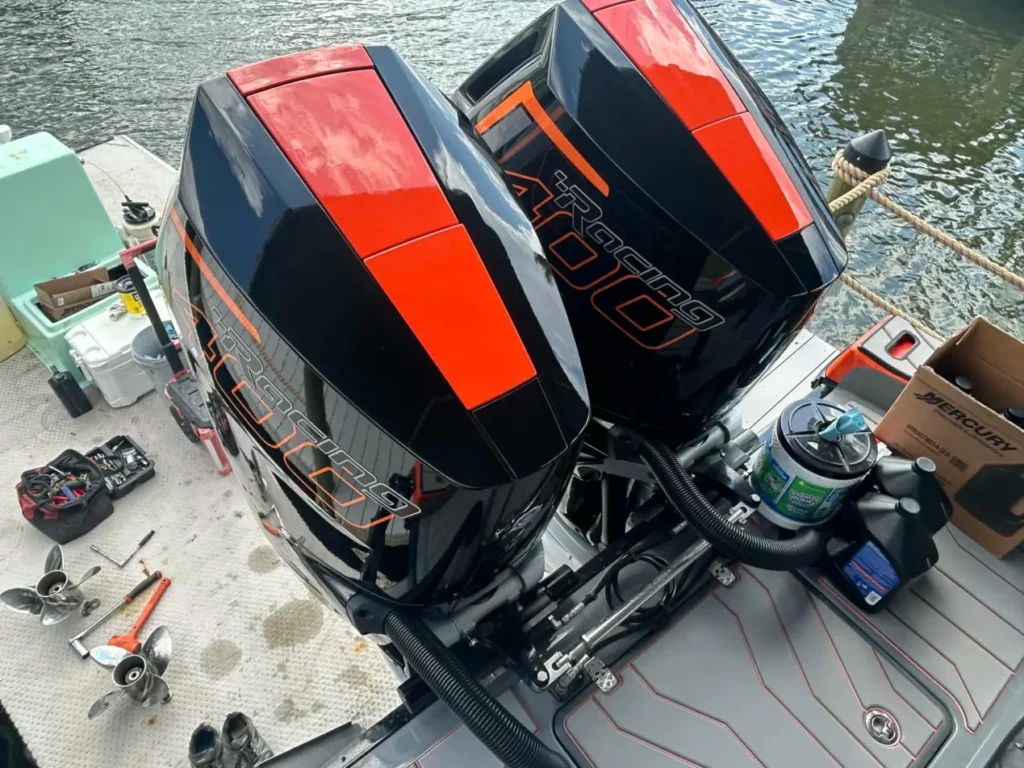
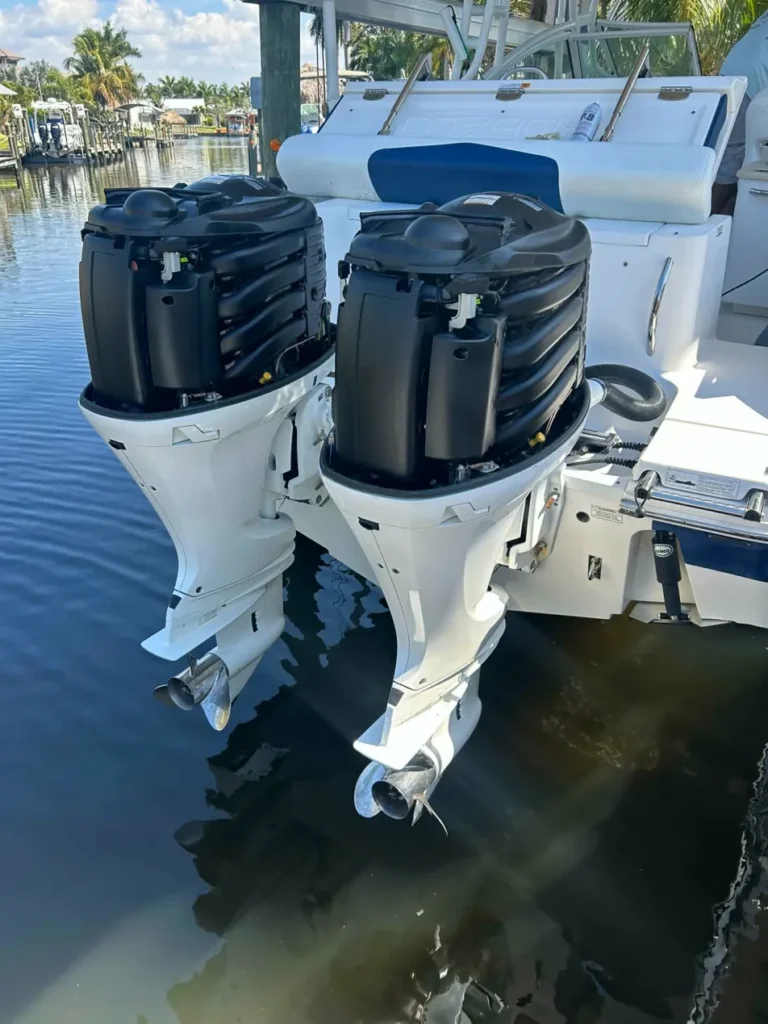
Engine problems are the most frequent and often the most expensive repairs for Cape Coral boaters. The majority of recreational boats in the area run outboard engines from Yamaha, Mercury, Suzuki, or Honda, though sterndrives are common on older boats and larger cruisers.
Overheating is the number one engine complaint, and the Cape’s canal system is partly to blame. The sandy bottoms of the canals produce fine silt that gets sucked into cooling water intakes, especially when running in shallow water near the banks. That silt clogs the intake screens and damages the rubber water pump impeller, which is the small component responsible for pushing cooling water through the engine block.
A damaged impeller means reduced water flow, which means your engine runs hotter than it should. Left unchecked, overheating causes warped cylinder heads, blown head gaskets, and seized pistons. What starts as a $200 impeller replacement turns into a $2,000 or more engine rebuild.
Fuel system issues are also common. Florida’s standard pump gas contains ethanol, which attracts moisture from the humid air. Over time, the ethanol separates from the gasoline in a process called phase separation, leaving a layer of water and alcohol sitting at the bottom of your fuel tank. This contaminated fuel clogs injectors, damages fuel pumps, and causes hard starting, rough idling, and power loss.
The fix: Flush your engine with fresh water after every single trip. This is the single most important maintenance habit for any Cape Coral boat owner. Replace the water pump impeller according to your manufacturer’s schedule, or annually if you run in shallow water frequently. Use recreational-grade fuel (Rec 90) whenever possible to avoid ethanol-related problems. For routine engine service, scheduling outboard engine service in Cape Coral at regular intervals prevents small issues from becoming major failures.
Electrical System Failures
Salt air is a silent killer for boat electronics. The combination of humidity and salt creates a conductive film on wiring connections that causes slow current leaks, intermittent power loss, and corrosion that spreads through the wiring harness like a disease.
Common symptoms include flickering GPS or fishfinder screens, bilge pumps that stop working, navigation lights that dim or cut out, and batteries that drain overnight even with everything turned off.
The fix: Inspect your fuse block and all visible wiring connections for green or white corrosion at least once a month. Clean corroded terminals with a wire brush, apply dielectric grease, and replace any connectors that show significant pitting. For boats with persistent electrical gremlins, a professional diagnosis is usually faster and cheaper than chasing intermittent faults yourself.
If your electronics have taken a hit from salt exposure or you are upgrading navigation equipment, Garmin marine electronics service in Cape Coral ensures proper installation and integration with your existing systems.
Fiberglass and Gelcoat Damage
The UV index in Cape Coral breaks down gelcoat faster than almost anywhere else in the country. If your hull or deck looks chalky, that oxidation is the first stage of gelcoat failure. Left unaddressed, the clear coat layer degrades completely, exposing the underlying fiberglass to moisture intrusion.
Stress cracks around cleats, transom hardware, and rod holder mounts are also common. These hairline “spider cracks” look minor, but they can allow water to wick into the fiberglass laminate and cause delamination or structural softening over time.
Impact damage from dock pilings, canal walls, and submerged debris adds to the wear. Even minor scrapes and chips should be repaired promptly to prevent water from reaching the fiberglass substrate.
The fix: Wash your boat with a salt-neutralizing soap after every trip. Apply a high-quality marine wax or sealant at least twice a year. For boats that spend all day in the sun, ceramic coating provides a more durable UV barrier than traditional wax, though the upfront cost is higher.
Inspect the transom, cleat mounts, and high-stress areas for spider cracks during every wash. Small gelcoat chips can be repaired with a DIY gelcoat patch kit, but larger cracks or structural damage should be handled by a professional fiberglass technician who can color-match the repair to your hull.
Boat Lift and Dock Issues
In Cape Coral, your boat lift is just as important as the boat itself. A failing lift can drop your vessel, leave you stranded during a storm surge, or damage the hull from improperly positioned bunks.
Cables are the most common lift failure point. Salt air corrodes steel cables over time, creating frayed strands known as “meat hooks” that can snag and eventually snap under load. The drive gears and motor also suffer from salt exposure, seizing up if the grease points are not maintained.
The wooden bunks that support your hull can rot from constant water exposure, creating uneven pressure points that scratch gelcoat or even crack the hull under the weight of a full fuel tank.
The fix: Inspect lift cables monthly for any signs of fraying. If you see a single broken strand, replace the entire cable before the next use. Keep all grease fittings on the drive unit filled with marine-grade grease. Check the bunk boards for soft spots or rot and replace them as needed.
Propeller and Steering Damage
Cape Coral’s canal system hides plenty of hazards just below the surface. Crab traps, submerged logs, sand bars, and random debris can ding, bend, or crack a propeller. Even a small nick on one blade creates vibration that transmits through the drive shaft and can damage seals, bearings, and the lower unit over time.
Steering systems also take a beating. Hydraulic steering can develop leaks from corroded fittings, while cable steering systems seize up when salt penetrates the cable housing.
The fix: Inspect your prop regularly for nicks, bends, or missing material. A prop shop can recondition most aluminum and stainless propellers for $150 to $250, which is far cheaper than replacing the lower unit seals that a damaged prop eventually destroys. For steering issues, have the system inspected and serviced annually.
Trailer Wear and Tear
Many Cape Coral boat owners overlook trailer maintenance, but every trip to the ramp exposes the trailer to the same saltwater that attacks the boat. Brakes corrode, bearing seals fail, wiring connections develop resistance, and frame components rust from the inside out.
Trailer problems tend to appear at the worst possible time, like halfway to the Burnt Store boat ramp with traffic backing up behind you.
The fix: Rinse the trailer with fresh water after every use, including the brake drums and wheel hubs. Repack wheel bearings at least annually. Inspect wiring connections and lights before every trip. For trailers that see frequent saltwater submersion, boat trailer repair service can address corrosion, brake issues, and structural wear before they become safety hazards.
Mobile Boat Repair vs. Shop Service: What Works Best in Cape Coral
The trend in Cape Coral has shifted heavily toward mobile marine mechanics, and for good reason. Most homes in the Cape have canal access with a boat lift right behind the house. Hauling a boat to a shop means pulling it off the lift, loading it onto a trailer (if you have one), fighting traffic on Pine Island Road or Del Prado Boulevard, and then waiting days or weeks for shop availability.
Mobile mechanics eliminate all of that. They come to your dock, diagnose the problem, and perform repairs on site. For routine maintenance like oil changes, lower unit service, impeller replacement, electrical troubleshooting, and minor fiberglass work, mobile service is faster, more convenient, and often less expensive because you avoid haul-out fees and marina markup.
That said, full-service shops and marinas still have their place. Major engine rebuilds, structural fiberglass repair, bottom painting, and any work requiring a marine lift or specialized equipment are better suited to a shop environment. Shops also tend to have larger parts inventories, which can mean faster turnaround on repairs that need specific components.
The best approach for most Cape Coral boat owners: Use mobile service for routine maintenance and diagnostics, and reserve shop visits for major repairs that require specialized facilities. Island Marine Repair LLC offers mobile boat repair across Southwest Florida, bringing professional service directly to your dock in Cape Coral, Fort Myers, and the surrounding areas.
Realistic Boat Repair Costs in Cape Coral
Repair costs vary significantly based on the type of vessel, the complexity of the job, and whether you choose mobile service or a full-service shop. Here are realistic ballpark ranges for the most common services Cape Coral boaters need.
Routine maintenance: A standard 100-hour outboard service including oil change, gear lube, fuel filter, and basic inspection runs between $400 and $700 depending on the engine brand and size. Mobile mechanic hourly rates in the area typically range from $100 to $175 per hour.
Engine diagnostics and repair: Basic diagnostics start around $150 to $450. Lower unit service ranges from $450 to $1,500 or more depending on the extent of the damage. A complete repower, which means replacing the engine entirely, can run anywhere from $5,000 for a smaller outboard to $40,000 or more for a large multi-engine installation.
Fiberglass and cosmetic work: Small gelcoat patches start around $200 to $300. Larger structural fiberglass repairs can reach $1,500 or more. Professional detailing and wax runs approximately $10 to $20 per foot, and bottom painting for anti-fouling protection costs $15 to $25 per foot.
Electrical repairs: Diagnostics and minor fixes range from $150 to $800. Full rewiring projects vary widely based on the size and complexity of the boat.
Boat lift repairs: Cable replacement, motor service, and general lift maintenance typically falls between $250 and $1,200.
Always get multiple quotes and ask exactly what is included. Some providers quote labor only and add parts as a separate line item, while others provide all-inclusive estimates. Mobile services may carry a trip charge, but this is often offset by the savings on haul-out and transport costs.
For complex diagnostic work, especially engine issues, marine engine diagnostics in Cape Coral can pinpoint problems accurately and avoid unnecessary parts replacement.

Preventative Maintenance Checklist for Cape Coral Boaters
Staying ahead of problems is always cheaper than fixing them after a failure. Here is a practical schedule tailored to Cape Coral’s unique environment.
After Every Trip
Flush the engine with fresh water for at least 15 minutes. This is non-negotiable in saltwater and brackish water. Rinse the entire boat, including the engine well, hull, and all hardware. Check the bilge for water and ensure the bilge pump is operating. Remove any fishing line wrapped around the prop shaft.
Monthly
Clean battery terminals and apply dielectric grease. Inspect the propeller for damage. Check zinc anodes and replace any that are more than 50 percent depleted. Test bilge pump operation manually. Inspect dock lines for UV degradation and chafing.
Every 100 Hours or Annually
Schedule a full engine service including oil and filter change, gear lube, spark plugs, and fuel filter replacement. Inspect and replace the water pump impeller if it shows any signs of wear. Check the cooling system for salt buildup. Inspect all belts and hoses.
Before and After Hurricane Season
Secure or haul out the boat for major storms. Remove portable electronics and store them in a dry location. After storm season, inspect the hull for impact damage, check the electrical system for water intrusion, and replace any compromised components.
Year-Round
Use marine-grade fuel stabilizer in every tank, especially if the boat sits for more than two weeks between uses. Apply UV protectant to canvas, upholstery, and rubber components. Keep zinc anodes fresh to protect underwater metals from galvanic corrosion.
For a broader perspective on maintaining your vessel in our local waters, this guide to common boat repair problems in Southwest Florida covers the issues that SWFL boaters encounter most often.
How to Choose the Right Repair Service in Cape Coral
Not all marine mechanics are created equal, and choosing the wrong one can cost you more in the long run than the repair itself. Here is what to look for when selecting a boat repair provider in Cape Coral.
Certifications matter. Ask whether the technician holds ABYC (American Boat and Yacht Council) certification or factory authorization from your engine manufacturer, whether that is Yamaha, Mercury, Suzuki, or Honda. Certified technicians have documented training on proper procedures, safety standards, and warranty compliance. Using an uncertified mechanic for warranty work can void your engine’s coverage.
Verify insurance. Any mechanic working on your boat should carry liability insurance. Ask for proof before authorizing work. This protects you if an accident occurs during the repair.
Read recent reviews. Google and Yelp reviews from the past six months give you the most current picture of a provider’s reliability, communication, and quality. Look for patterns, not individual complaints. Every business gets the occasional negative review, but consistent mentions of missed deadlines, surprise charges, or poor communication are red flags.
Get written estimates. A reputable service provider will give you a written estimate that includes the scope of work, parts list, labor rate, and estimated completion time. Be wary of any mechanic who refuses to provide a written quote before starting work.
Ask about mobile versus shop service. For most routine maintenance and diagnostics, mobile service at your dock saves time and money. For major engine work, structural fiberglass repair, or anything requiring a haul-out, a shop with proper facilities is the better choice. Many of the best providers in Cape Coral offer both options.
For boat owners who want a trusted resource that combines mobile convenience with professional expertise, the mobile marine mechanic guide for SWFL boat owners provides helpful guidance on what to expect from dockside service.
Seasonal Considerations for Cape Coral Boaters
Spring and Summer
This is peak boating season and the time when most problems surface. Engine cooling systems work hardest during the hottest months, making impeller failures and overheating more likely. Thunderstorm season brings the risk of lightning strikes and electrical surges. Increased usage means faster wear on all mechanical components.
Schedule your annual service in early spring before the busy season hits. This ensures your boat is ready for summer and avoids the longer wait times that build up from May through August.
Hurricane Season (June through November)
Hurricane preparedness is a reality of boat ownership in Cape Coral. Have a written plan for securing your boat, including whether you will haul out, use your lift, or seek dry storage at a local facility. Keep an inventory of your boat’s electronics and equipment for insurance purposes.
After any tropical storm or hurricane, perform a thorough inspection before using the boat. Check for hull damage, electrical system water intrusion, and engine compartment flooding. Storm surge can push debris, contaminated water, and sand into areas that are normally protected.
Fall and Winter
The cooler months bring lower humidity and fewer storms, making it an ideal time for preventative maintenance and upgrades. This is a good window for bottom painting, gelcoat restoration, and any major repair work that requires extended shop time.
Seasonal residents who leave their boats on lifts during the winter months should install battery maintainers, add fuel stabilizer to the tank, and arrange for periodic checks by a trusted neighbor or service provider.
Final Thoughts
Keeping a boat in Cape Coral is a labor of love, but it does not have to be a constant headache. The key is understanding that our local environment demands more attention than a freshwater boating area, and building maintenance habits that match those demands.
Stay ahead of the salt. Flush after every trip. Inspect monthly. Service annually. And when something does go wrong, address it immediately rather than hoping it will fix itself. Small problems in Cape Coral’s environment never get smaller. They always compound.
The boating lifestyle here is worth every bit of effort it takes to maintain. The sunsets over Matlacha Pass, the fishing in Pine Island Sound, the weekend runs out to Boca Grande. All of it is better when you leave the dock knowing your boat is solid, reliable, and ready for whatever the day brings.
If you need service on your boat, whether it is a routine tune-up, an electrical diagnosis, or a full engine overhaul, reach out to a qualified mobile marine mechanic who can meet you at your dock. Your time on the water is too valuable to spend it waiting in a shop parking lot.
Island Marine Repair LLC provides professional mobile boat repair throughout Cape Coral, Fort Myers, Naples, Punta Gorda, and the surrounding SWFL communities. From engine service to electrical diagnostics and everything in between, their technicians come to you. Contact us today to schedule your next service.


