
Southwest Florida is one of the most demanding marine environments in the country. Salt air, intense humidity, year-round use, and the relentless corrosion that comes with saltwater operation mean boats here age fast — and punish owners who skip maintenance.
This post is a look back at four real jobs completed recently across Cape Coral and the Fort Myers area. No stock photos. No manufactured scenarios. Just honest documentation of what was found, what was done, and why it matters for any boat owner operating in Lee County waters.
Job 1: Twin Mercury Racing 400R — Dockside Oil Changes, Cape Coral
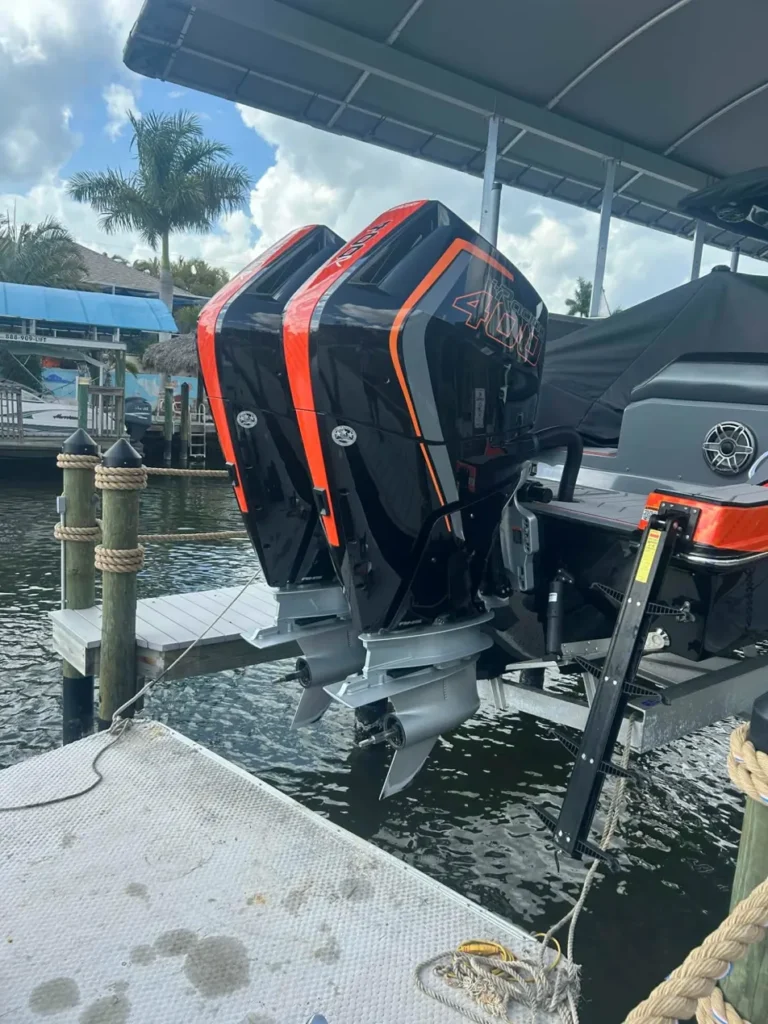
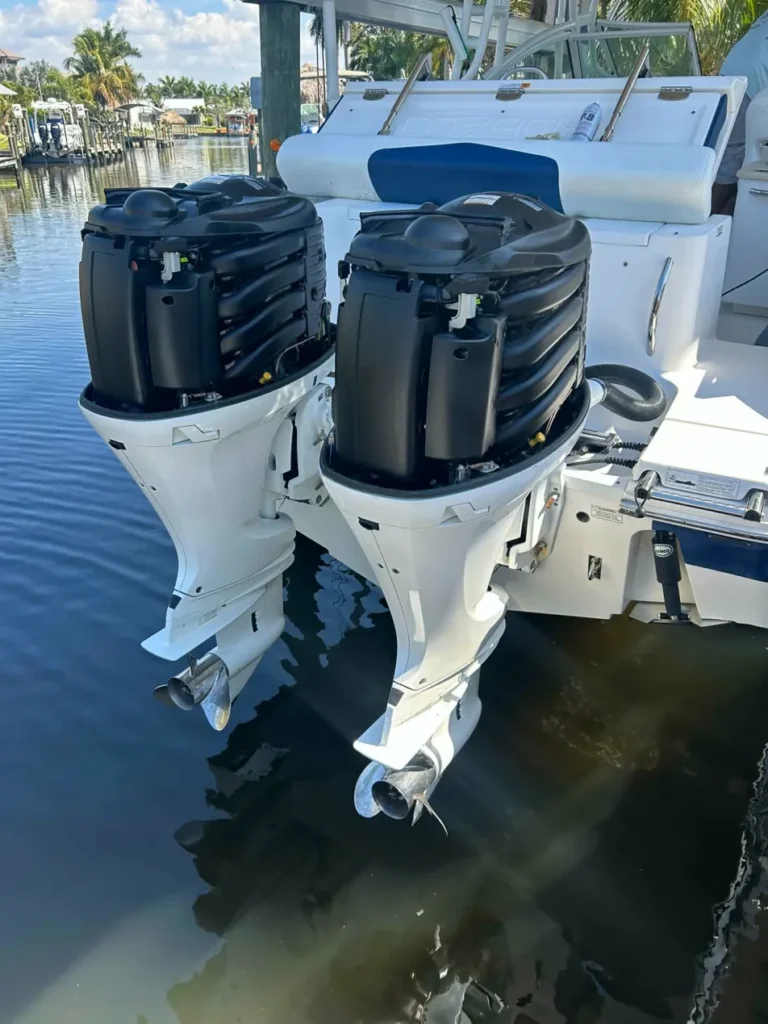
These don’t show up at just any dock. A pair of Mercury Racing 400R outboards is a serious investment — each engine pushing 400 horsepower, built for high-performance offshore applications. The owner needed a twin oil service performed on the water in Cape Coral, and that’s exactly where we met them.
The Mercury Racing 400R runs a specialized oil specification, and working with twin engines dockside requires a methodical approach — draining both sumps cleanly, torquing drain plugs correctly, and verifying oil levels precisely on motors that aren’t perfectly level in the water. It’s the kind of service that looks simple on the surface but has a lot of ways to go wrong if you’re not paying attention.
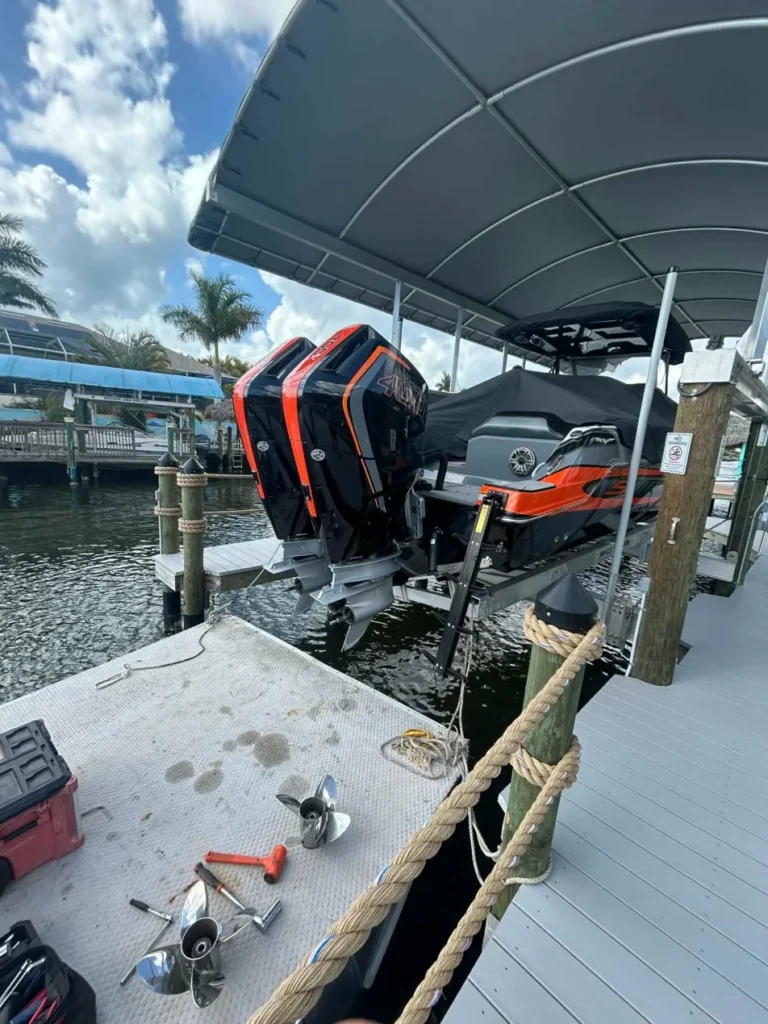
The props were pulled as part of the inspection — checking for fishing line, dings, and shaft seal condition while everything was accessible. Boats running at this power level need more than just fresh oil. Every service is an opportunity to catch something early.
The mobile marine mechanic model works especially well for high-performance setups like this. Trailering a boat with twin 400R engines is not always practical — bringing the service to the dock keeps downtime minimal and the boat exactly where the owner needs it.
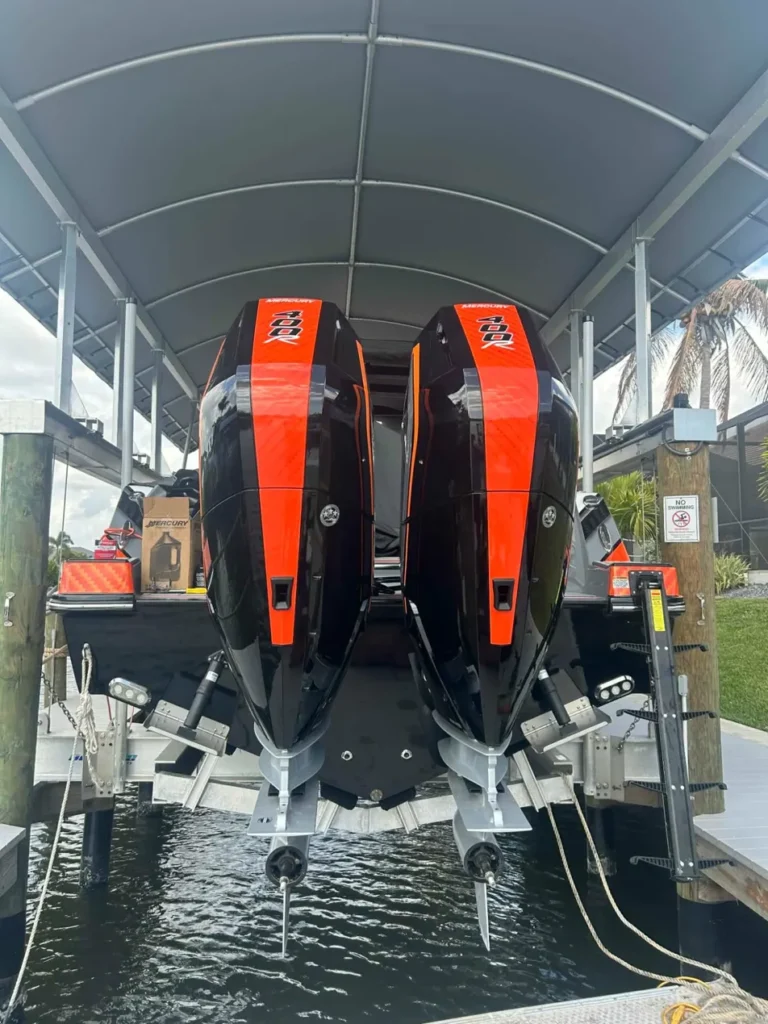
What this job demonstrates: Even the most powerful engines need routine, meticulous care. For Mercury Racing platforms, following OEM oil specs and service intervals isn’t optional — it protects both performance and warranty coverage.
Job 2: Yamaha SHO 250hp — High-Pressure Fuel Pump Failure, Same-Day Resolution
The Yamaha F250 SHO (Super High Output) is one of the most popular performance outboards in South Florida, and it has a known vulnerability: the high-pressure fuel pump. When it fails, the engine cranks but won’t fire properly — or cuts out under load. That’s exactly what happened here.
This service was performed for the team at Sean Red harters, a fishing charter operation that depends on reliable equipment to deliver clients a great day on the water. When a charter boat isn’t running, it’s not just an inconvenience — it’s a cancelled booking and a disrupted customer experience. Fast diagnosis and same-day resolution mattered.
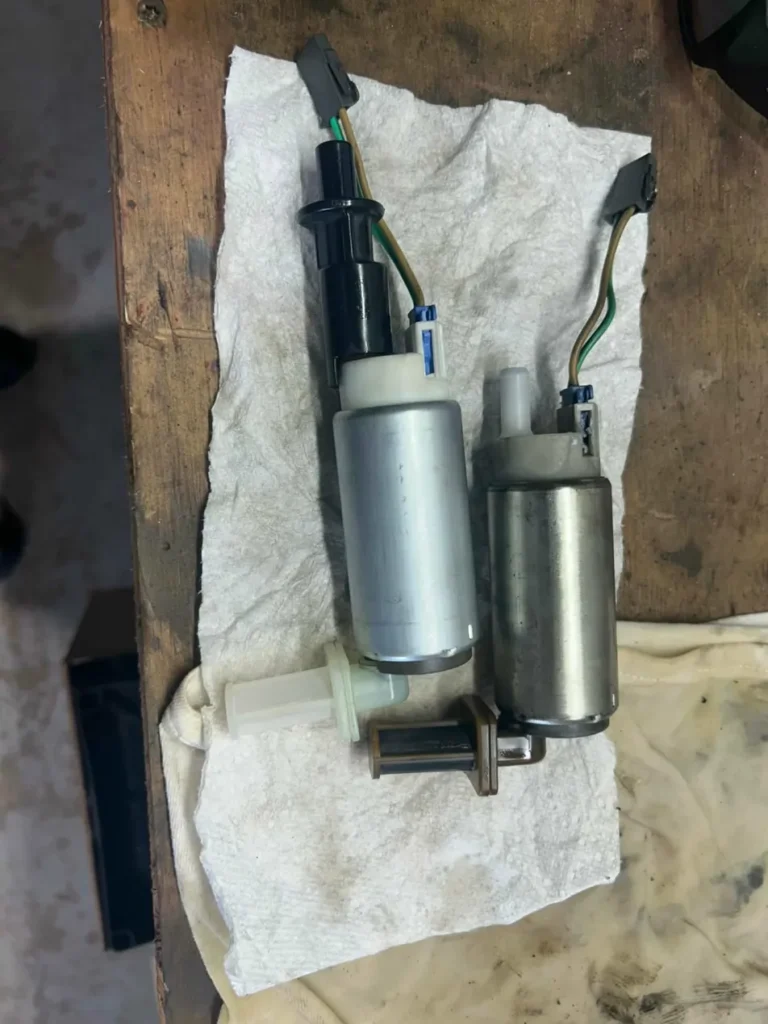
The image above shows the old pump alongside the OEM replacement. The size difference isn’t dramatic, but the performance difference is everything. A degraded high-pressure pump can’t deliver consistent fuel pressure to the injectors — leading to rough running, power loss, or a no-start condition. It’s a failure that can sneak up on an owner over time rather than happening all at once.
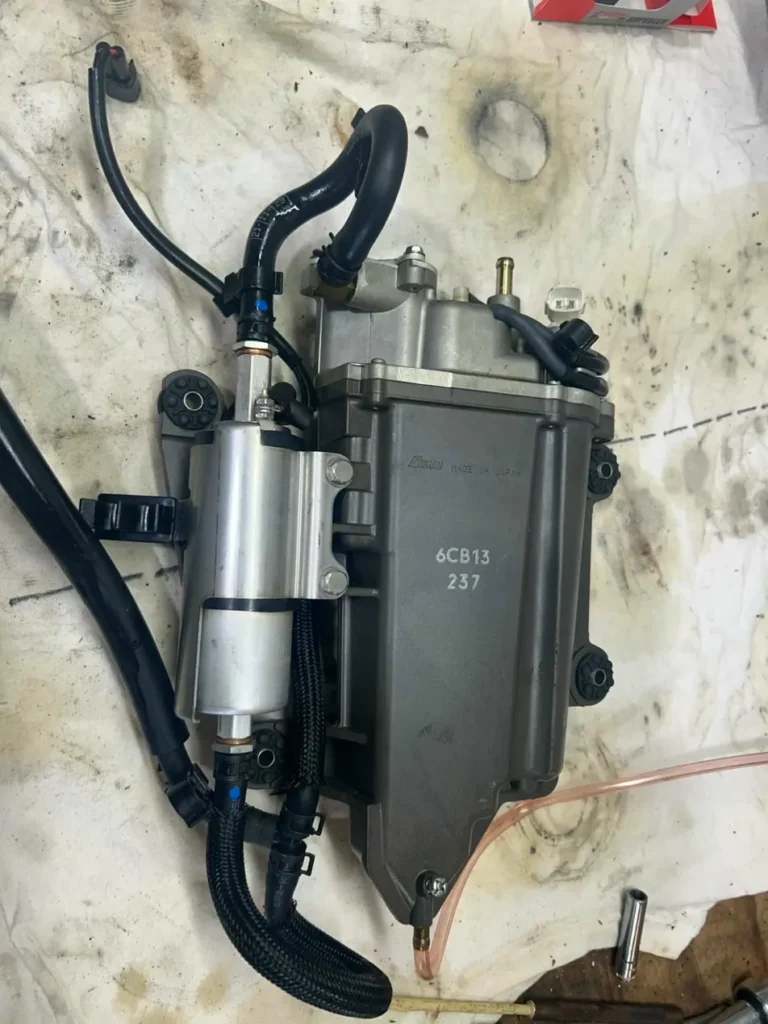
The complete fuel delivery assembly was replaced with genuine Yamaha parts. Aftermarket components exist for this application, but for a working charter boat, OEM reliability is the only acceptable standard.
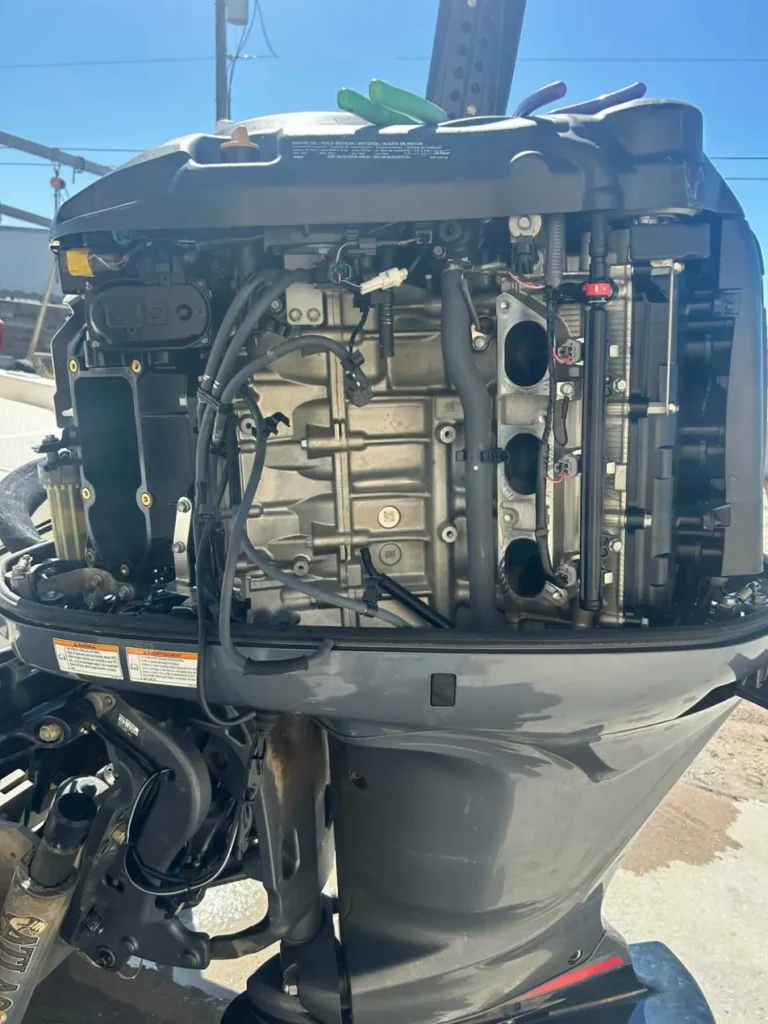
From diagnosis to completed repair to back on the water — same day. Understanding how marine mechanic service works and what to expect before calling can help boat owners communicate the symptoms clearly, which makes fast diagnosis much more achievable.
What this job demonstrates: The Yamaha SHO fuel pump is a wear item, not a lifetime component. If your SHO is showing intermittent hesitation or hard-start symptoms, the high-pressure pump is one of the first systems worth checking.
Job 3: Twin Yamaha 200hp Full Service — Water Pumps That Had Never Been Replaced
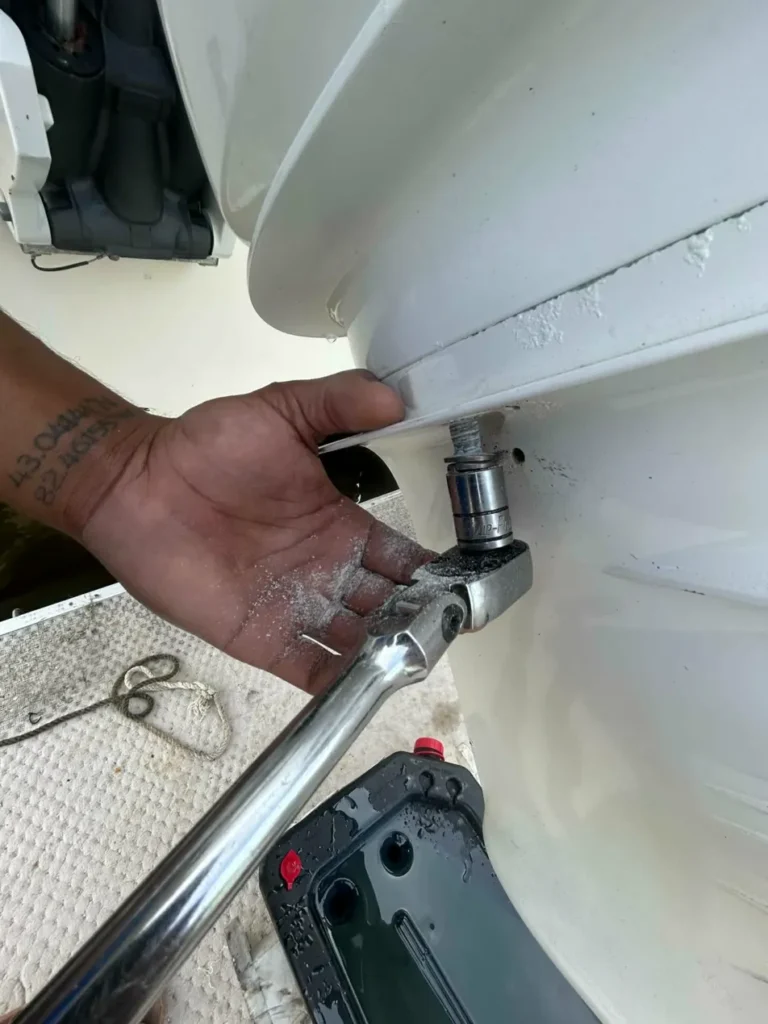
This was a full scheduled service on a pair of Yamaha 200hp outboards in Cape Coral. Oil, filters, gear lube, spark plugs — the works. But what made this job stand out wasn’t the routine service itself.
The water pumps had never been replaced.
On any outboard motor, the water pump impeller is a consumable component. The rubber impeller degrades over time — even without running hours on it, the rubber hardens and cracks from heat cycles and age. Yamaha recommends replacement every two to three years, or every 300 hours, whichever comes first. These engines had neither been serviced on that schedule.
When the lower units were cracked open, the corrosion on the bolts told the story immediately. Bolts that should back out with modest hand-tool effort required serious persuasion — heating, penetrating oil, and patience — to break free without snapping. Seized fasteners are one of the most common complications in deferred marine maintenance, and they can turn a two-hour job into a five-hour one.
This is a Florida saltwater story that plays out constantly. The warm climate means boats get used year-round, which is great — but owners sometimes assume that because the motor runs fine today, it doesn’t need service. The water pump doesn’t send a warning light. It just quietly degrades until the engine starts running warm, and by then, the damage may already be done.
The impellers were replaced, the lower units were resealed, and both engines came out of the service running as they should. If you’re unsure when your water pump was last replaced, that’s a good enough reason to have it inspected on your next dockside marine service call.
What this job demonstrates: Water pump service is non-negotiable on any outboard operating in Florida. If you don’t know when yours was last done, assume it’s overdue.
Job 4: Twin Suzuki 175hp — Engine Block Zincs and the Saltwater Corrosion Problem
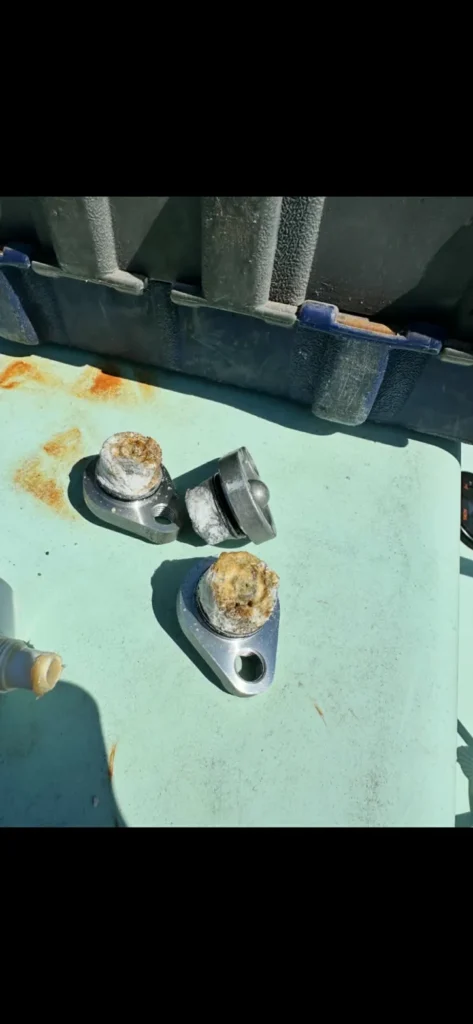
The pieces in this photo aren’t broken parts. They’re sacrificial anode zincs — and they’re doing exactly what they’re designed to do. The white, chalky buildup you see is what remains after the zinc has done its job: giving itself up to electrochemical corrosion so the aluminum engine block doesn’t have to.
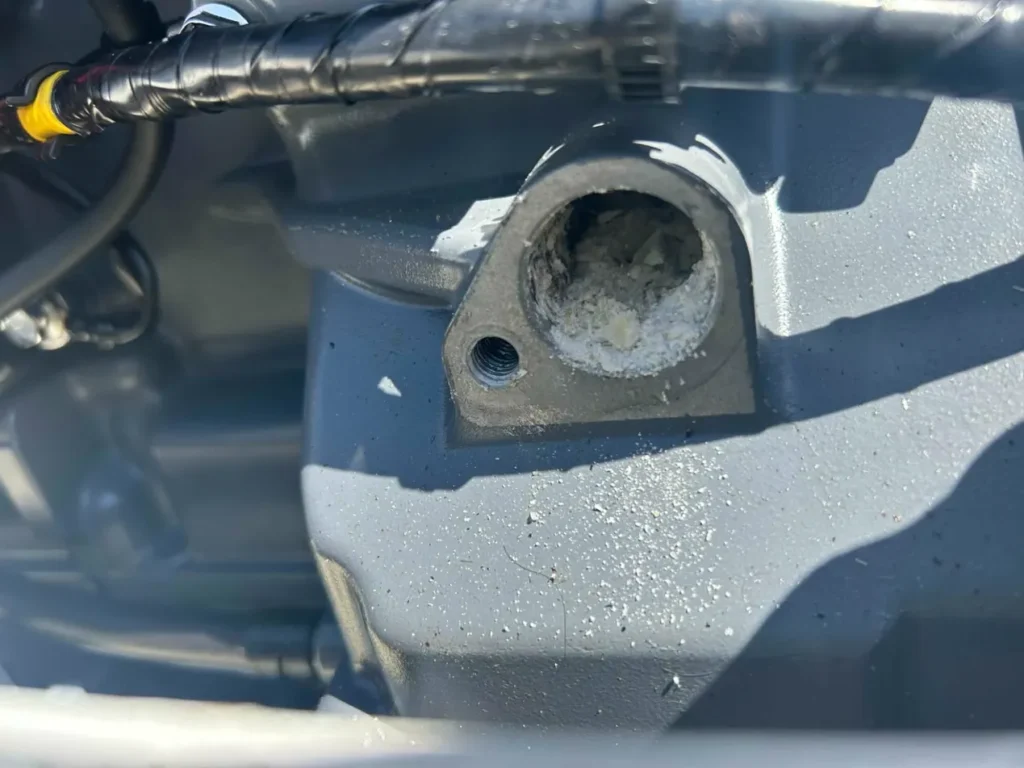
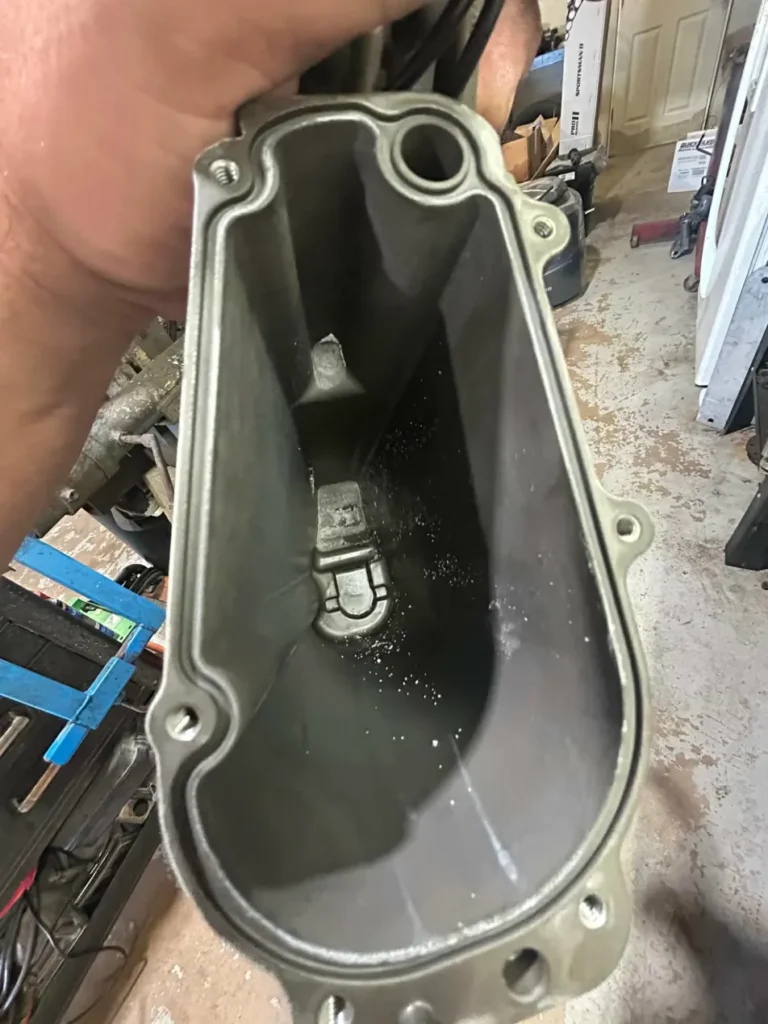
This is what the zinc housing port looks like after the anode has fully depleted — packed with calcium and corrosion byproduct. The zinc gave out. The question is whether it was replaced before the engine block underneath started to pay the price.
Galvanic corrosion is invisible until it isn’t. A boat docked in a marina slip, connected to shore power, moored near dissimilar metals in the water — all of these accelerate the process. Southwest Florida’s warm, brackish canal systems are particularly aggressive environments.
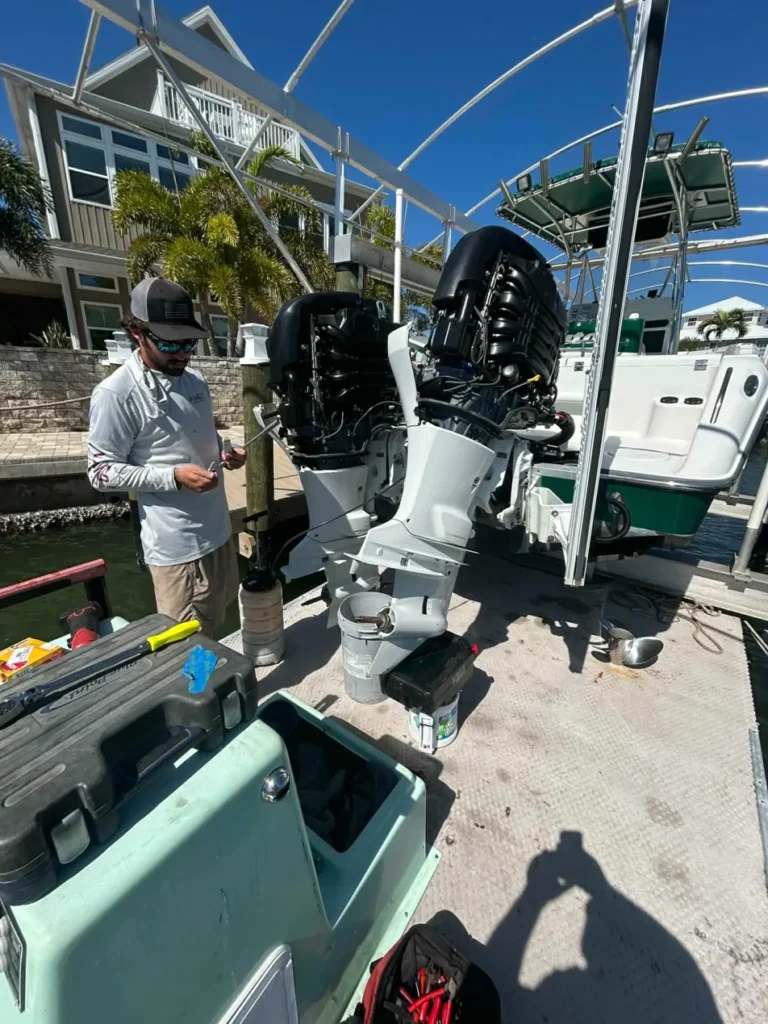
The service on these twin Suzuki 175s included full zinc replacement across both engines, along with the complete maintenance schedule. The zincs were completely consumed — zero protective material remaining. Had this gone another service interval without attention, the engine block itself would have become the sacrificial material.
This is not a scare tactic — it’s physics. And it’s the reason zinc inspection is part of every full service we perform on outboards across Southwest Florida.
What this job demonstrates: Engine block zincs are cheap. Engine block corrosion repair is not. Check your zincs every season — or whenever your boat is hauled or serviced.
What Four Jobs Tell You About Boat Ownership in Southwest Florida
Every one of these jobs has something in common: the repairs and complications were either caused or worsened by Florida’s operating environment. Salt, heat, humidity, and year-round use create conditions that demand consistent, proactive maintenance.
The difference between a boat that runs reliably for fifteen years and one that becomes a money pit after five is almost always how it was maintained — not the brand, not the model, not luck.
A few things worth knowing regardless of what you’re running:
Water pump impellers don’t last forever, and they don’t announce when they’re failing. Two to three years is a safe interval in Florida regardless of hours.
Sacrificial anodes are cheap and replaceable. The metal they protect is neither. Any boat kept in saltwater — especially near shore power or other vessels — should have its zincs inspected at least annually.
High-pressure fuel components on modern direct-injection outboards like the Yamaha SHO are wear items. Intermittent hesitation or hard starting are early symptoms worth investigating rather than ignoring.
Corrosion on fasteners is a record of deferred maintenance. The longer bolts sit in a saltwater environment, the harder they become to remove — and the more risk there is of complications during any future service.
If you’re based in Cape Coral, Fort Myers, Naples, Punta Gorda, or anywhere across Lee County and you’re not sure when your last full service was — that uncertainty is the answer. Reach out and we’ll take a look.
Island Marine Repair LLC is a mobile marine mechanic serving Fort Myers, Cape Coral, Naples, Punta Gorda, Captiva, Sanibel, and surrounding areas. All service is performed dockside or at your location — no hauling, no marina drop-off required.


